Addiction Science
This axis combines the scientific understanding of addiction, risk and protective factors, and harms of substance use — in one integrated framework, based on the accredited Afaq guide and the American NIDA Institute.
Download Addiction Science Guide (Free)Addiction — From a Modern Scientific Perspective
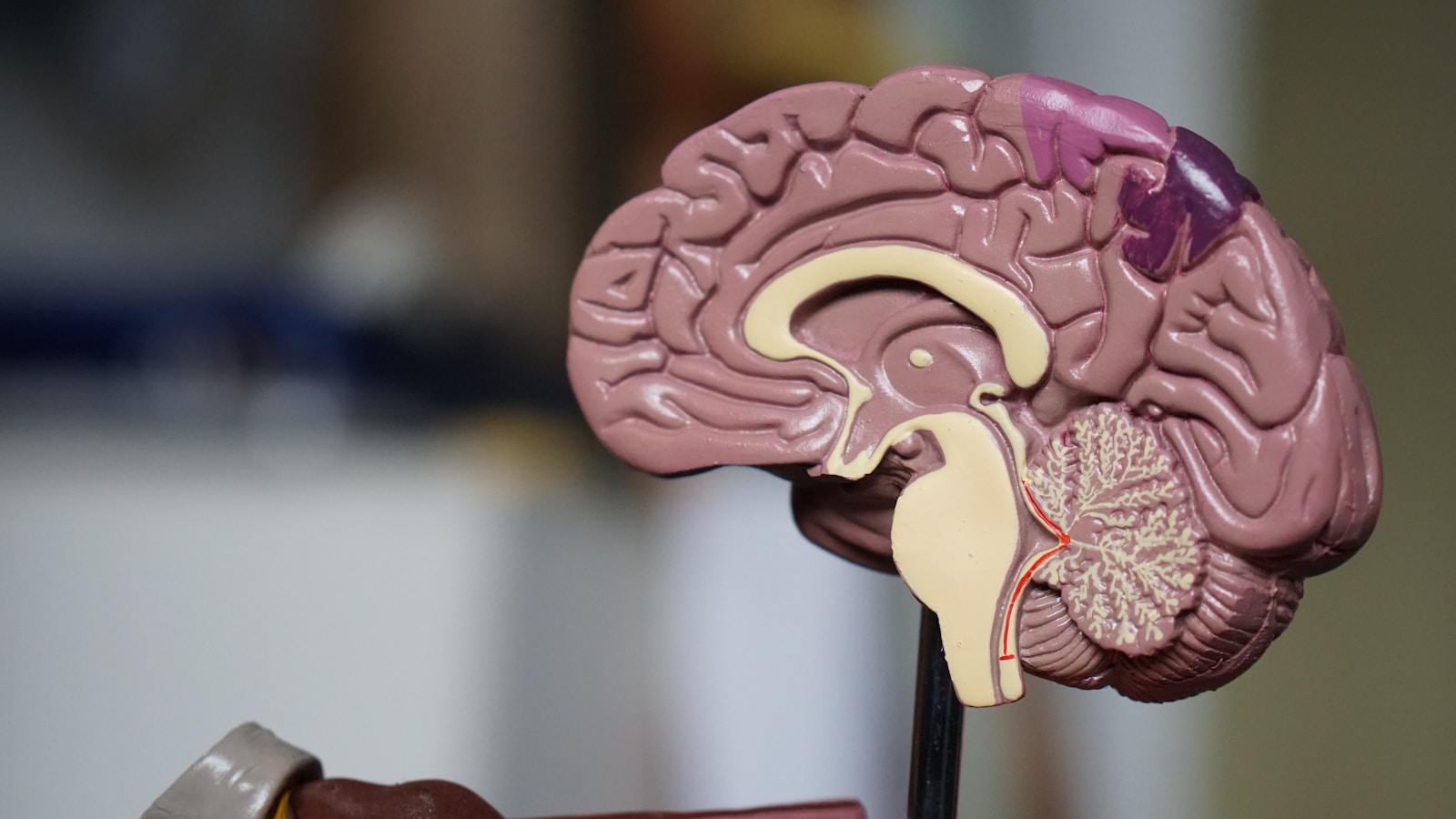
A chronic relapsing brain disease that leads to critical changes in brain function and neural cell composition, disrupting mental capabilities and mechanisms. It causes a persistent compulsive drive in the user to seek and use drugs involuntarily, unable to control desires or behaviors toward substance use. This brain effect results in extensive damage to all mental processes, including damage to the prefrontal cortex that weakens behavioral control, impairs decision-making, disrupts thinking, learning, and insight processes, and leads to the emergence of widespread mental and psychological disorders that reflect on the user's behaviors and personality.
How does addiction change your brain?
Simplified scientific facts to understand what happens inside the brain step by step.
The Brain and Reward Circuits
Drugs hijack the reward system by flooding the brain with dopamine — far exceeding natural rewards — so the brain learns that the substance is the source of pleasure and begins demanding it urgently.
Adolescent Brain Vulnerability
The prefrontal cortex (decision-making and impulse control center) doesn't fully develop until age 25. Therefore, the adolescent brain is affected faster and deeper, and harder to treat.
Biological Factors and Genetics
Genetics explain 40–60% of addiction susceptibility. Differences in dopamine receptors make some individuals more vulnerable than others.
Tolerance and Withdrawal
The brain adapts by producing less dopamine, requiring larger doses to feel normal. Absence causes lethargy and depression — this is withdrawal.
Multiple Psychoactive Substances
Nicotine, alcohol, cannabis, stimulants, opioids, hallucinogens, inhalants — each class targets different neurotransmitters and requires different treatment.
Addiction is a Treatable Disease
Not weakness of will — it is a chronic brain disease. Relapse is part of the disease, not treatment failure. The brain recovers significant function with sustained abstinence.
Six stages from experimentation to addiction
No one becomes addicted in a single day — but each stage paves the way for the next.
First Experiment
Usually under peer pressure or curiosity. The brain registers a pleasurable experience.
Recreational Use
Use becomes associated with specific occasions. No apparent consequences yet.
Regular Use
Tolerance begins to appear. Initial social and academic effects emerge.
Psychological Dependence
The user cannot enjoy normal activities without the substance.
Physical Dependence
Physical withdrawal symptoms appear when the substance is absent. The body demands it.
Full Addiction
Complete loss of control. Using despite consequences. Critical stage for intervention.
Risk Factors and Protective Factors
The problem is not a single factor — but an accumulation. The more protective factors increase and risk factors decrease, the lower the probability of substance use significantly.
Individual Risk Factors
Psychological disorders, impulsivity, poor refusal skills, low self-esteem, excessive curiosity, ADHD.
Family Risk Factors
Parental substance use, ongoing marital conflicts, poor supervision, excessive leniency or harshness, lack of dialogue.
School Risk Factors
School dropout, academic decline, poor school belonging, bullying, weak teacher relationships.
Social Risk Factors
Bad company, peer pressure, drug availability in the neighborhood, negative media, unemployment, idleness.
Individual Protective Factors
High self-esteem, communication skills, religious commitment, future goals, problem-solving skills, emotional control.
Family & Community Protective Factors
Open dialogue, clear boundaries, supportive school, sports/volunteer activities, network of good friends, spiritual belonging.
What does substance use actually cost you?
Drug harm is not limited to the user alone — it extends to family, colleagues, neighborhood, and society. Prevention is thousands of times cheaper than treatment.
Physical Harms
Liver damage, kidney fibrosis, heart disease, cancers, respiratory diseases, weakened immunity, acute infections.
Mental & Psychological Harms
Chronic depression, anxiety, memory loss, psychosis, suicidal thoughts, sleep and eating disorders, impaired decision-making.
Social Harms
Collapse of family relationships, divorce, loss of children, loss of friends, isolation, loss of social reputation.
Occupational Harms
Job loss, work accidents, career setbacks, inability to complete education.
Economic Harms
The average user spends over SAR 2,800 monthly on drugs and may lose their job and possessions within a few years, draining their family's resources entirely.
Legal Harms
The anti-narcotics law imposes severe penalties up to lengthy imprisonment and execution for trafficking. An entire life may end with one wrong decision.

Addiction Science Guide (Accredited Arabic Translation)
The modern scientific reference for addiction — how it changes the brain, risk and protective factors, types of substances, and treatment. Translated with permission from the National Institute on Drug Abuse (NIDA) as part of the Arabic series for training prevention workers.